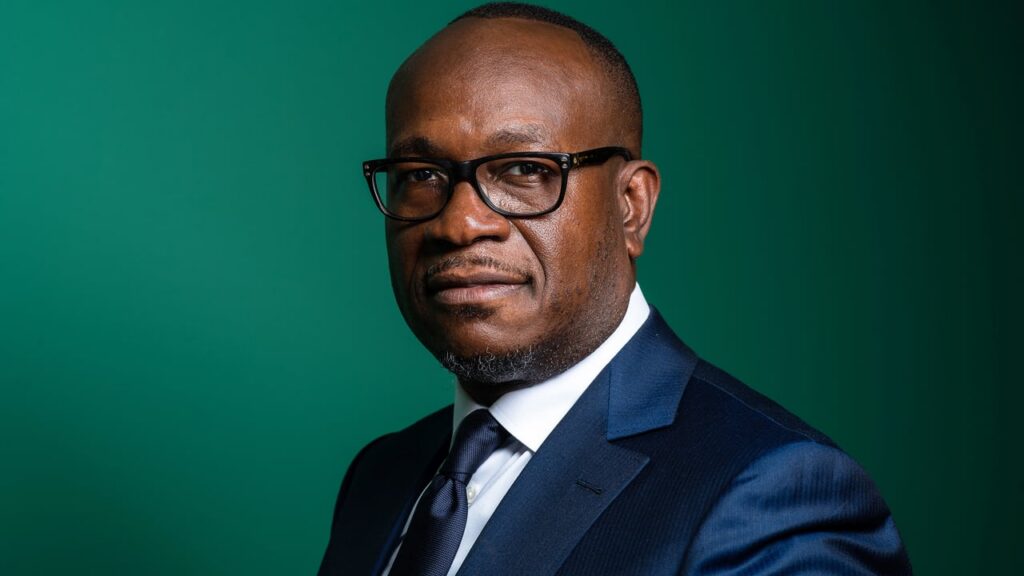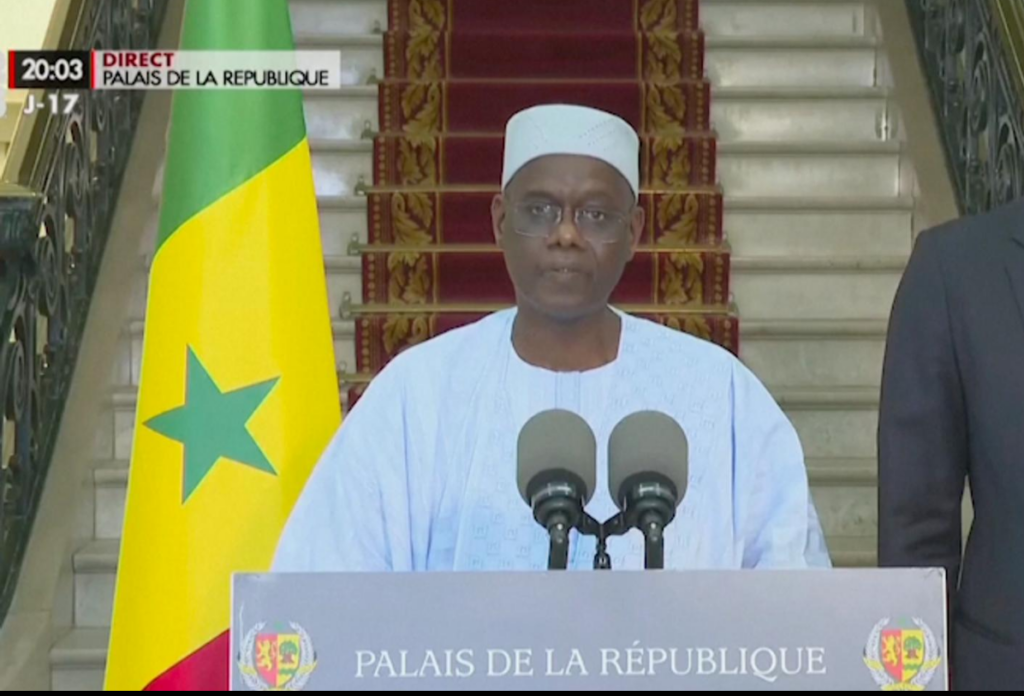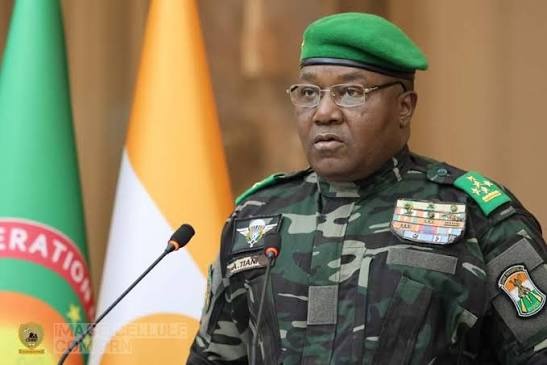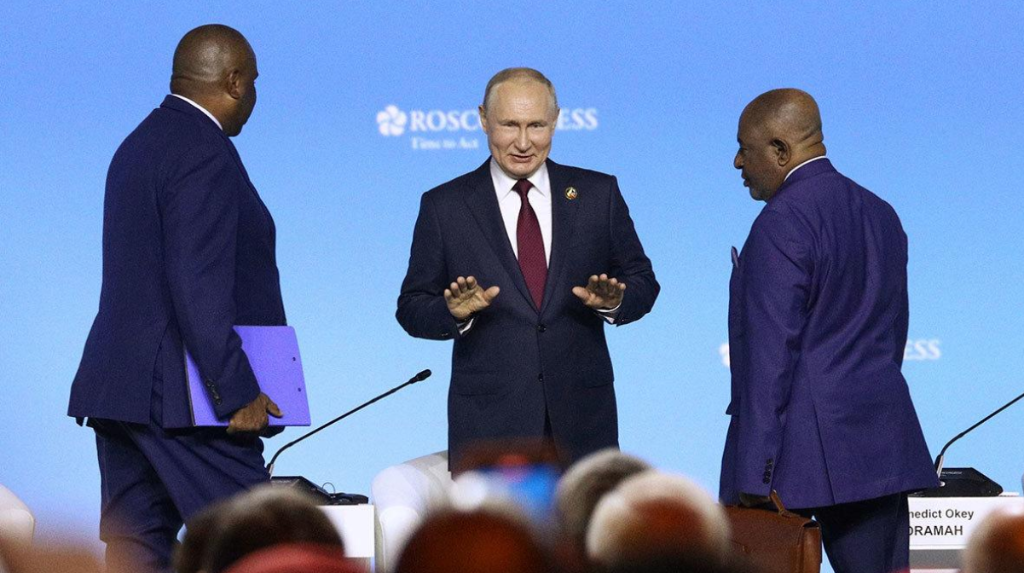
The third Russia-Africa Summit, held in Moscow on October 28–29, 2026, has exposed cracks in the Alliance of Sahel States (AES) just months after its formation. While Malian leader Assimi Goïta arrived at the forefront of a high-profile delegation, the presence of Burkina Faso’s Ibrahim Traoré and Niger’s Abdourahamane Tiani—both initially announced by Russian officials—remained uncertain, raising eyebrows across diplomatic circles.
The AES at a crossroads: Mali leads while doubts linger over Traoré and Tiani
The Malian president’s confirmed attendance at the summit marked a stark contrast with the absence—at least initially—of his counterparts from Burkina Faso and Niger. Goïta’s arrival on October 26, accompanied by senior officials, was widely documented, including his welcoming ceremony and scheduled talks with Vladimir Putin. His presence underscored Bamako’s commitment to deepen ties with Moscow amid regional instability.
However, the situation took a different turn for Ouagadougou. Despite early announcements by Russian authorities about Traoré’s participation, the Burkinabe leader did not appear in any confirmed lists at the summit’s opening. Instead, his prime minister, Rimtalba Jean Emmanuel Ouédraogo, led the delegation—a move that maintains Burkina Faso’s official presence but lacks the symbolic weight of a head-of-state appearance.
The case of Niger added further uncertainty. Russian officials had also announced Tiani’s attendance, yet as of the summit’s first day, no verifiable evidence confirmed his arrival in Moscow. Without an official denial, it remains unclear whether Niamey ultimately chose to skip the event or delay its participation.
Diplomatic optics vs. strategic substance
The discrepancy in representation is not unique to the AES. Several African leaders opted against sending their heads of state, including Algeria (represented by Prime Minister Sifi Ghrieb), Benin (by Vice President Mariam Chabi Talata), and South Africa (led by Zane Dangor, director-general of international relations). These choices reflect a mix of strategic priorities, logistical constraints, and domestic considerations.
Yet the AES’s staggered participation—Goïta the sole confirmed attendee among its three members—has fueled speculation. Analysts suggest it could signal divergent approaches to Moscow, even as all three governments reaffirm their alliance. The absence of a unified front raises questions about the bloc’s cohesion, particularly as it navigates security partnerships and economic ties with Russia.
Beyond the AES: Who else showed up in Moscow?
The summit’s guest list extended far beyond the Sahel, drawing leaders from across the continent. Notables included Burundi’s President Évariste Ndayishimiye (current African Union chair), Zimbabwe’s Emmerson Mnangagwa, Ghana’s John Dramani Mahama, and Equatorial Guinea’s Teodoro Obiang Nguema Mbasogo. Even Congo-Brazzaville’s Denis Sassou-Nguesso made an appearance, highlighting Russia’s efforts to engage with diverse African partners.
According to Kremlin advisor Yuri Ushakov, 48 of Africa’s 54 nations participated, with 22 represented by their presidents. This turnout reflects Moscow’s sustained diplomatic push, even as geopolitical tensions with the West and shifting alliances on the continent reshape power dynamics.
Six countries remained unaccounted for in the official tally, though their absence alone does not necessarily indicate disapproval of Russia. Some may have sent lower-level delegations, while others could have opted for a symbolic no-show.
What’s next for the Africa-Russia partnership?
The summit’s true test lies not in photo opportunities but in the commitments inked over the two days. Key topics included trade, energy, agriculture, and security—areas where Russia has pledged a new cooperation framework for 2027–2029. For Sahelian leaders, the stakes are high: balancing military support from Moscow with economic dividends and avoiding over-dependence on a single ally.
For Goïta, the summit served as a platform to solidify Mali’s pivot toward Russia, especially as Western partnerships face strain. Traoré’s and Tiani’s choices—whether to participate indirectly or abstain—will now be scrutinized for clues about their long-term strategies. Will the AES present a united front in future engagements, or will internal divisions overshadow its ambitions?
The coming months will reveal whether the summit’s outcomes translate into tangible benefits or merely temporary goodwill. One thing is clear: the optics of this gathering have already sparked as much debate as the partnerships it seeks to forge.